Ethnic Embroidery Border Pattern
As an embroidery designer and product reviewer, I’ve seen my fair share of patterns—some that feel like a perfect fit for real projects, and others that look great on a screen but fall flat in practice. The Ethnic Embroidery Border Pattern is one that immediately caught my attention with its vibrant, geometric style and seamless layout. It’s the kind of design that feels both traditional and modern, making it versatile for a range of applications.
The First Impression: A Bold, Cultural Statement
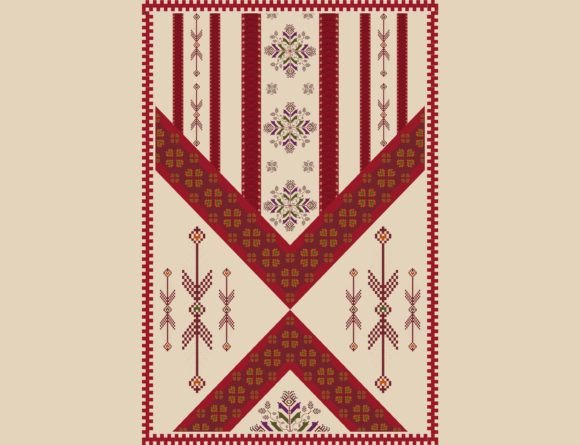
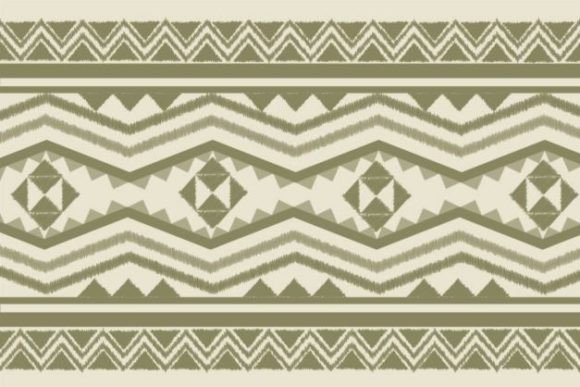
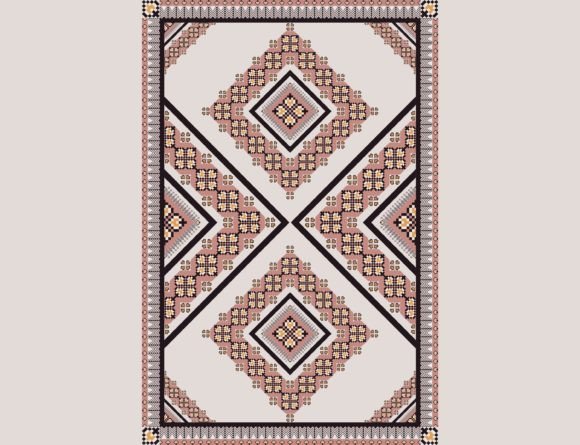
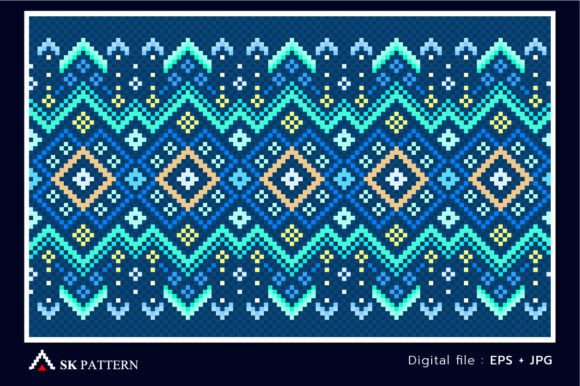
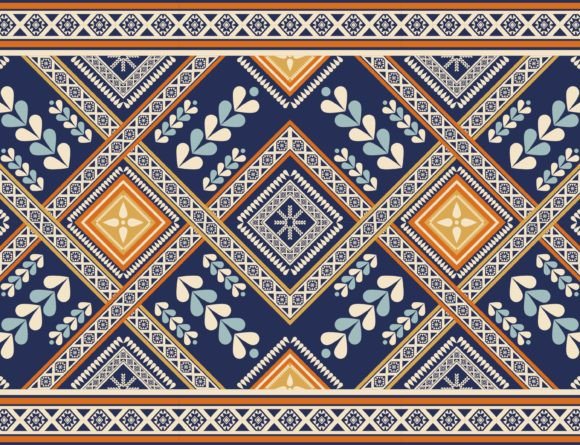
When I first opened the Ethnic Embroidery Border Pattern, I was struck by its visual energy. The overlapping geometric shapes create a sense of movement and depth, while the color palette is rich without being overwhelming. It has a strong cultural identity, which makes it ideal for handmade products with a story to tell. This isn’t just a border—it’s a statement piece that can elevate any project with a touch of authenticity and artistry.
The pattern’s seamless nature means it can be used as a continuous border, which is great for items like tote bags, pillow covers, or even as a decorative element on baby clothes. The layout is clean, and the details are sharp enough to hold up under embroidery stitching, though not so intricate that they’ll cause issues during the process.
Real-World Use: Where It Shines
I tested the Ethnic Embroidery Border Pattern on a few different fabrics and found it works best on medium-weight materials like cotton, canvas, and light denim. It’s particularly effective on custom apparel such as sweatshirts and t-shirts, where the bold design adds visual interest without overpowering the garment. For a tote bag design, the pattern looks stunning when placed along the top or bottom edge, giving the item a professional, handcrafted feel.
It also translates well to baby items, especially ones that require a soft, artistic touch. I imagined using it on a onesie or a baby blanket, where the colors would stand out nicely against lighter backgrounds. For holiday gifts or personalized products, the Ethnic Embroidery Border Pattern could serve as a beautiful accent that adds character and uniqueness to each piece.
Where to Be Cautious: Practical Considerations
While the Ethnic Embroidery Border Pattern is visually appealing, there are a few areas where it may require extra care. On small hoop sizes, the design might feel cramped, especially if the corners are detailed. This could lead to stitching issues or misalignment, so it’s best to use a larger hoop or break the design into sections if needed.
On textured fabrics or thin, stretchy materials, the pattern might not show up as clearly. I recommend testing it on scrap fabric before committing to a final project. Dark fabrics can also be a challenge, as some of the finer details may blend into the background. In those cases, using contrasting thread colors or adjusting the stitch density can help maintain visibility.
Impact on Visual Appeal and Customer Perception
The Ethnic Embroidery Border Pattern has a strong visual presence that can significantly boost the perceived value of a finished product. When used on handmade items, it adds a level of sophistication that customers often associate with quality and craftsmanship. For Etsy sellers or small shop owners, this design can make a big difference in how a product is received—especially when paired with thoughtful presentation and branding.
It also plays a role in customer trust. A well-executed embroidery project with a unique pattern like this can make buyers feel confident that their purchase is one-of-a-kind and worth the price. For commercial embroidery projects, the Ethnic Embroidery Border Pattern offers a reliable, repeatable design that can be used across multiple items without losing its impact.
Design Notes for Embroidery Professionals
Before jumping into a project with the Ethnic Embroidery Border Pattern, I recommend doing a few key tests. Start by running it on scrap fabric to see how the stitches interact with the material. Check the thread color contrast, especially if you’re working with dark or light backgrounds. Review the stitch density to ensure it’s appropriate for the fabric type and project size.
Also, confirm the hoop size required for the design. If it’s too large for your machine, consider breaking it into smaller sections. Inspect the small details closely—sometimes what looks good on a screen can be harder to execute in real life. Test the design in black and white mockups to get a better idea of how it will look without color distractions.
Finally, make sure the design is suitable for both personal and commercial use. Check the licensing terms if you plan to sell finished items or digital products. Proper stabilizer use is essential, especially on delicate or stretchy fabrics, to prevent puckering or distortion.
Final Thoughts: A Versatile Design with Purpose
The Ethnic Embroidery Border Pattern is more than just a pretty design—it’s a functional asset for anyone involved in embroidery, whether you’re creating custom apparel, handmade gifts, or commercial products. Its bold geometry and cultural flair make it a standout choice for a wide range of projects, from tote bags to holiday decor.
With careful consideration and proper execution, this pattern can become a valuable addition to your design library. It’s a great example of how thoughtful, well-crafted embroidery designs can enhance both the aesthetic and practical aspects of a project. Whether you’re an experienced designer or just starting out, the Ethnic Embroidery Border Pattern is worth exploring for its potential to elevate your work.